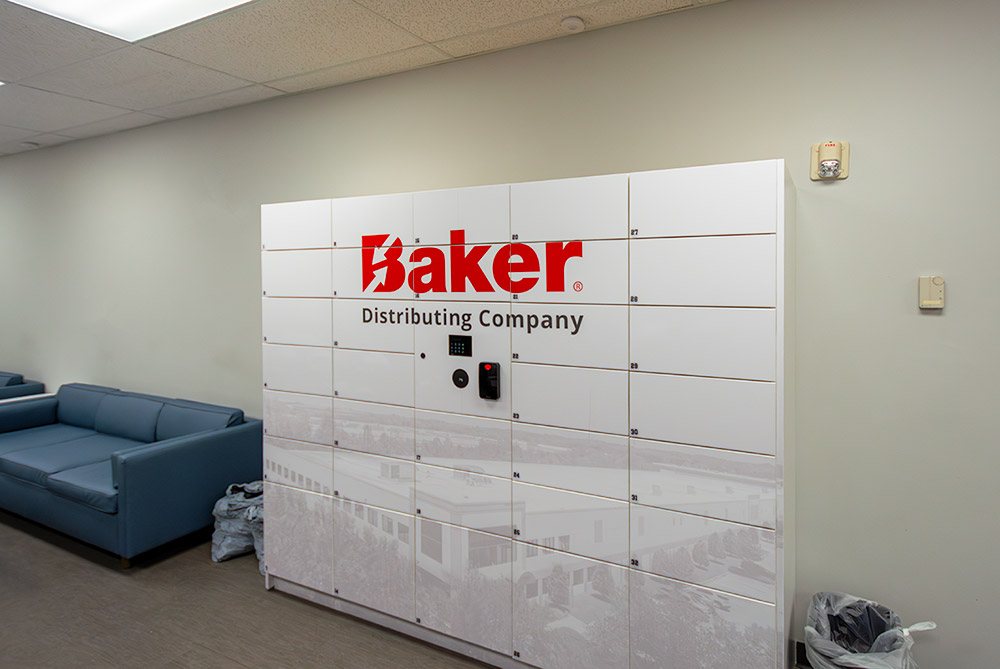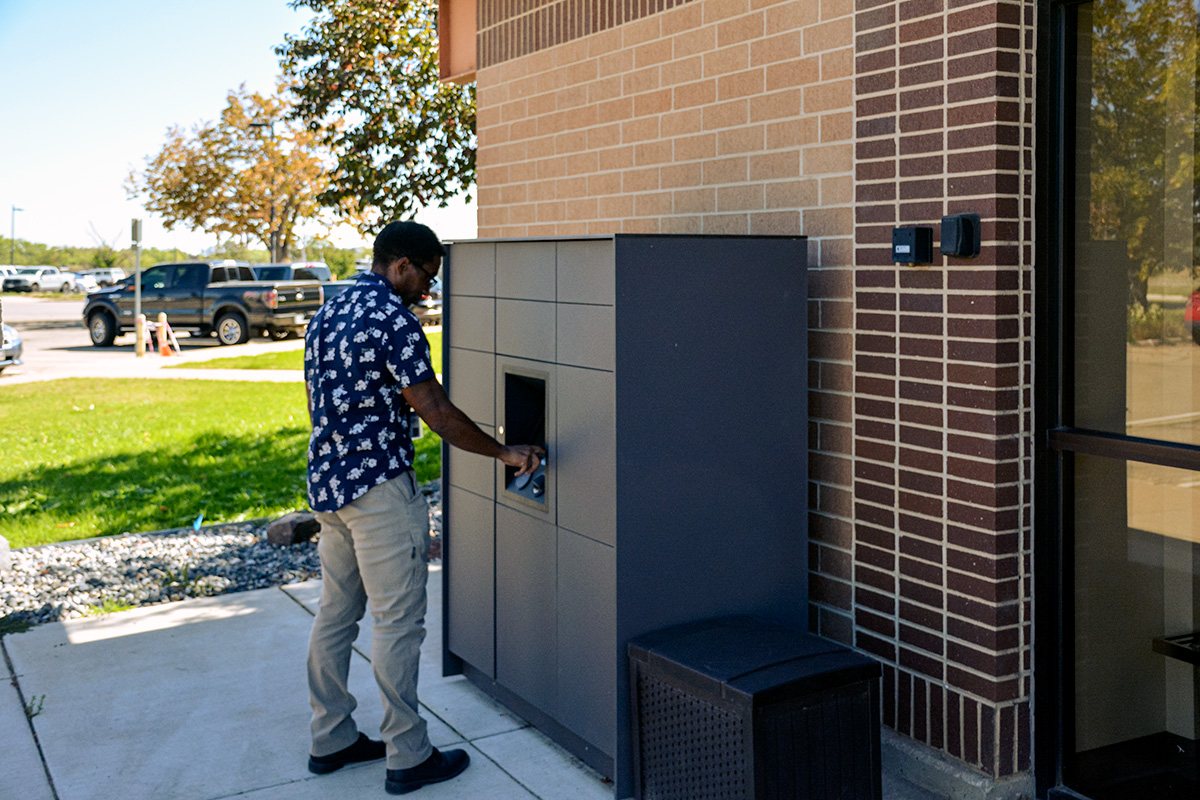

The dominant narrative is that corporate mail is disappearing — and letter volume is down, that's true. USPS projects a 33% decline over the next decade. But that's not the full story.
The U.S. shipped 23.4 billion parcels in 2025. Global volume hit 217 billion, projected to reach 435 billion by 2026. Amazon's January 2025 return-to-office mandate brought 350,000 employees back full-time. JPMorgan, AT&T, and dozens more followed. Every package that spent three years going to a home address is now going to the building again.
The physical footprint of most corporate mailrooms? It hasn't changed since 2019.
The Space-Volume Mismatch
Packages are overflowing into corridors, creating safety hazards and — in many jurisdictions — fire code violations. Facilities teams are running the logistics equivalent of a small distribution center in a room designed for sorting envelopes. Some offices are now receiving meal kit and grocery deliveries. Temperature-sensitive parcels that need to move in minutes. The mailroom is managing "rot clocks" that didn't exist three years ago.
The Hybrid Worker Complication
When someone is in the office two days a week, a Tuesday delivery sits until Friday. Every unclaimed box is renting floor space at the company's expense — and a single employee's backlog can occupy a footprint that costs hundreds of dollars a month in NYC real estate. 52% of mailrooms are still tracking this with paper logs and spreadsheets.